
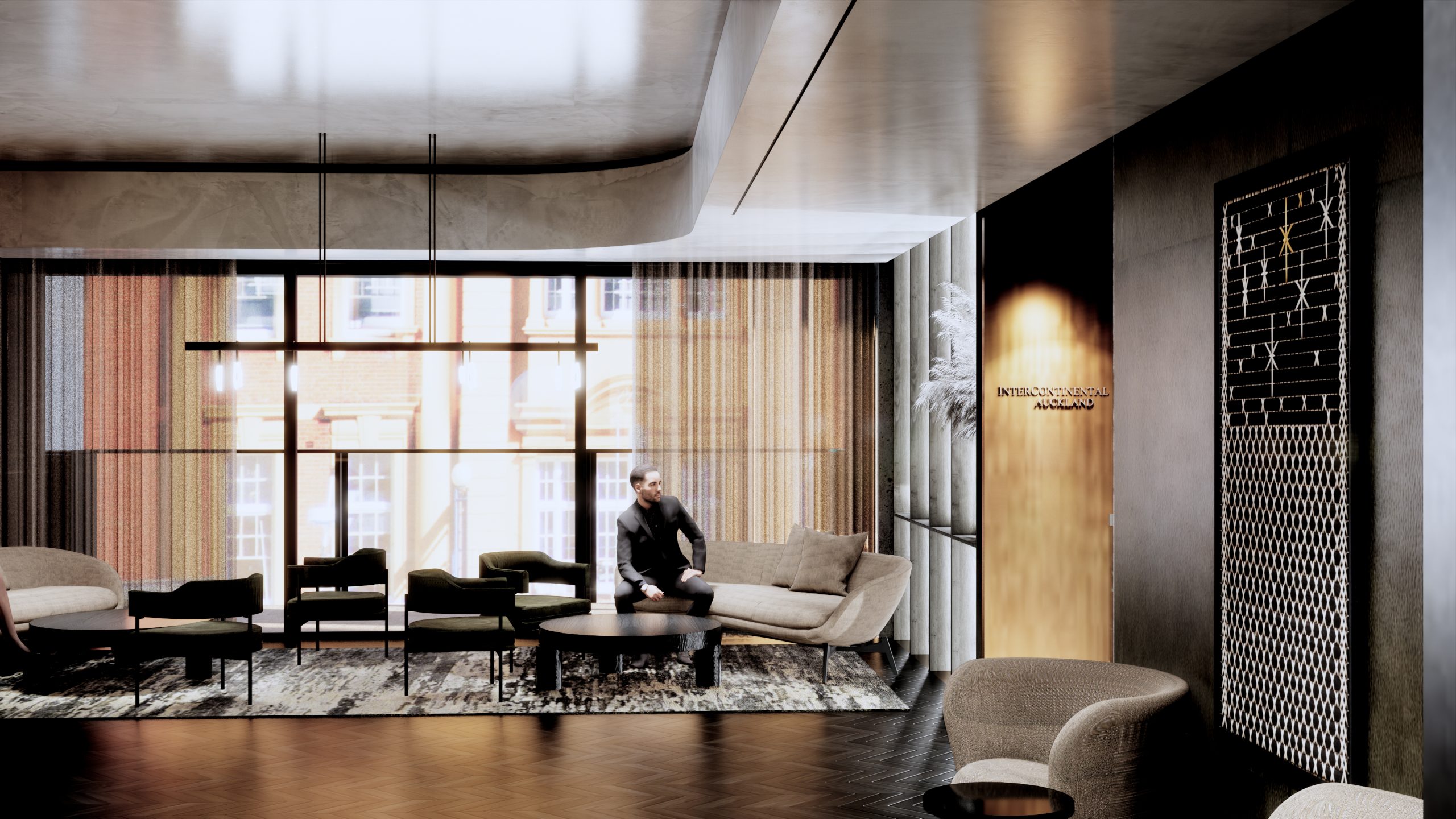
A full hotel does not automatically mean a profitable hotel, because profitability depends on pricing structure, cost control, distribution mix, and operational efficiency, not just occupancy. Unlock the secret to maximizing your hotel’s profitability by understanding why many owners in the hospitality industry hit 90 to 100 percent occupancy yet still feel financial pressure, inconsistent margins, and frustration with hotel operations that look successful on the surface but underperform underneath.
In Sydney and across Australasia, we repeatedly see high-performing properties owned by sophisticated investors who are worried about their hotel group falling behind competitors, struggling with complex asset management decisions, and unsure whether their current strategy is leaving money on the table. This tension is common, especially in markets with aggressive OTA competition, rising labor costs, and guests whose expectations evolve faster than operating models.
What a Hotel Consultant Actually Does (And What They Don’t)
A hotel consultant is not a replacement operator and not a theoretical advisor disconnected from reality. A credible consultant with extensive experience acts as an external performance lens, diagnosing structural profit issues across strategy, finance, and execution.
They typically focus on:
- Commercial performance and pricing architecture
- Distribution and channel mix optimization
- Cost structure and asset management alignment
- Operational process efficiency
- Long-term value strategy for ownership
They do not run daily front desk shifts or micromanage department heads. Instead, they design frameworks that allow leadership to operate smarter. Think of them as a profit architect rather than a day-to-day manager.
For owners who feel they are working harder each year just to maintain margins, this outside perspective often reveals blind spots internal teams cannot see.
The Most Common Reasons a “Full” Hotel Still Loses Money
High occupancy can mask structural problems. In fact, some of the most financially stressed hotels we review are also the busiest.
The most frequent causes include:
- Discounted rate dependency
- Overreliance on OTAs with high commission
- Labor inefficiency hidden inside strong revenue
- Poor cost tracking across departments
- Weak upsell and ancillary revenue strategy
A property can fill rooms by underpricing. That creates volume without margin. When rising payroll, utilities, and maintenance costs are layered on top, the hotel appears successful while cash flow tells a different story.
The Hotel Profit Formula
Many owners track occupancy obsessively but ignore the relationship between key financial metrics.
| Metric | What It Means | Why It Matters |
| Occupancy | % of rooms sold | Measures volume only |
| ADR | Average Daily Rate | Measures pricing strength |
| RevPAR | Revenue per available room | Combines occupancy + ADR |
| GOP | Gross Operating Profit | Measures true profitability |
A hotel with 95% occupancy and weak ADR can earn less GOP than a hotel running 80% occupancy with strong pricing discipline. Profit lives in the balance between rate integrity and cost structure.
This is where strategic asset management becomes critical. Without it, owners chase volume instead of value.
Revenue Leaks Hotel Consultants Find First
When we conduct audits in the hospitality industry, revenue leaks appear in predictable patterns.
The first areas examined are:
- Pricing logic that ignores demand segmentation
- Channel costs exceeding acceptable acquisition thresholds
- Manual processes that inflate staffing needs
- Procurement inefficiencies
- Missed upsell opportunities
These leaks are rarely dramatic. They are incremental. But incremental losses compound across 365 days and hundreds of rooms.
Fix #1: Your Rate Strategy Might Be Wrong Even If Rooms Are Selling
Selling out is not proof your pricing is correct. It can be evidence you are undercharging.
A disciplined rate strategy includes:
- Demand forecasting by segment
- Rate fences to protect premium inventory
- Strategic compression pricing during peak demand
- Controlled discount exposure
Many hotels unintentionally train their market to wait for deals. Once that behavior becomes normalized, reversing it requires careful repositioning.
Fix #2: OTA Dependence Can Kill Profit (Even When Bookings Look Strong)
OTAs are powerful distribution partners, but excessive dependence erodes margins. Commission structures can reach 15 to 25 percent, which directly reduces GOP.
The danger is psychological. A full booking screen feels like success, yet profit per room shrinks.
Balanced channel strategy means:
- Protecting direct booking share
- Using OTAs tactically, not as a crutch
- Investing in brand and loyalty positioning
Fix #3: Distribution and Direct Booking Strategy That Increases Margin
Hotels with healthy profit profiles treat distribution as a financial strategy, not just a marketing task.
Direct channels must outperform OTAs in:
- User experience
- Mobile conversion
- Loyalty incentives
- Rate transparency
When executed properly, direct business becomes the backbone of a stable margin structure, strengthening long-term asset management outcomes.
Fix #4: Cost Control That Doesn’t Damage Guest Experience
Cost cutting without strategy damages brand equity. Smart cost control is about efficiency, not deprivation.
Examples include:
- Labor scheduling tied to occupancy forecasts
- Energy optimization systems
- Vendor renegotiation based on volume leverage
- Waste reduction programs
These adjustments preserve guest satisfaction while improving operating ratios.
Fix #5: Operational Efficiency and Staffing That Protects Service and Payroll
Labor is the largest expense category in most hotel operations. Inefficient staffing structures quietly consume profit.
Consultants often identify:
- Role duplication
- Underutilized cross-training
- Manual workflows that should be automated
- Scheduling mismatches with demand patterns
Efficiency protects payroll without harming service quality.
Fix #6: The Guest Experience Profit Connection (Reviews, Repeat Stays, Upsells)
Guest satisfaction is not a soft metric. It has direct financial consequences.
Higher review scores correlate with:
- Stronger pricing power
- Repeat visitation
- Increased ancillary spend
Hotels that view experience as a profit driver outperform competitors over time.
How Long It Takes to See Results With a Hotel Consultant
Initial performance shifts often appear within 60 to 120 days, particularly in pricing and channel mix. Structural gains in operational efficiency typically unfold over 6 to 12 months.
The timeline depends on:
- Property scale
- Existing management capability
- Ownership alignment
- Market conditions
Common Fee Structures and What Impacts Cost
Consulting fees vary based on complexity and scope. Common models include:
- Fixed project fee
- Monthly advisory retainer
- Performance-based incentive structures
- Hybrid arrangements
Cost is influenced by property size, geographic complexity, and required execution support. Owners should evaluate pricing against expected ROI, not as a standalone expense.
How to Choose the Right Hotel Consultant (Questions to Ask + Red Flags)
The right advisor demonstrates extensive experience across multiple hotel group structures and market cycles.
Key questions:
- What comparable projects have you completed?
- How do you measure success?
- What is your implementation involvement?
- How do you collaborate with operators?
Red flags include vague methodologies, unrealistic promises, and lack of data transparency.
Hotel Consultant FAQs (Best time to hire, contracts, ROI expectations)
Best time to hire? Before expansion, repositioning, or when profitability stalls despite strong occupancy.
Contract length? Most engagements range from 3 to 12 months depending on scope.
ROI expectations? Well-executed consulting engagements often generate measurable GOP improvement exceeding fees, though outcomes vary by property condition and market environment.
Hotels across Australasia partner with advisory specialists because navigating the modern hospitality industry alone is increasingly risky. If your property feels busy but financially tight, a structured review may reveal opportunities hiding in plain sight. At THSA, our Sydney-based team brings decades of hands-on advisory and asset management expertise to help owners protect margin, strengthen strategy, and build long-term value. If this article resonated, share it with your leadership team or reach out to start a conversation about your hotel’s performance journey.
Leave a Reply